
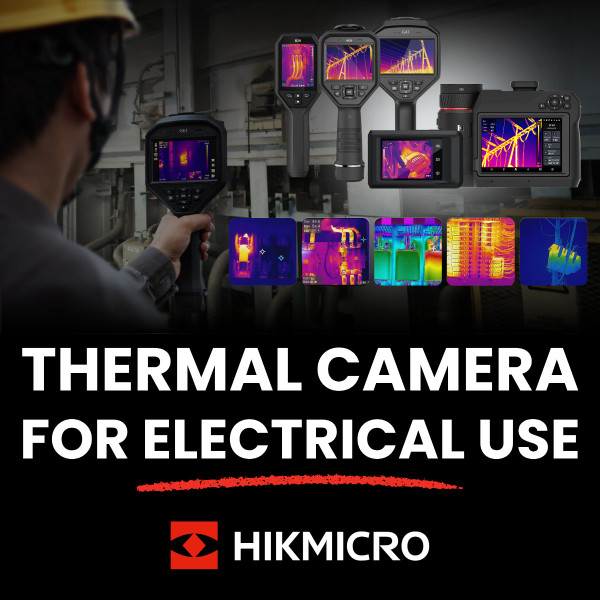
Thermal Camera for Electricians: How to Find Faults Faster and Safer
Electrical systems rarely deteriorate without warning. In many cases, components begin generating excess heat long before insulation breakdown, device failure, or downtime occurs.
A thermal imaging camera allows electricians to identify abnormal temperature patterns quickly, safely, and without direct contact with energised components. Whether performing routine preventative maintenance electrical inspections or assessing heavily loaded switchboards, thermal imaging provides valuable visual insight into the operating condition of an electrical installation.
From commercial switchboards to transformers, cable runs, and industrial equipment, thermal imaging has become an important tool for identifying heat-related issues before they develop into larger failures.
The Problem
Electrical components can deteriorate long before failure occurs
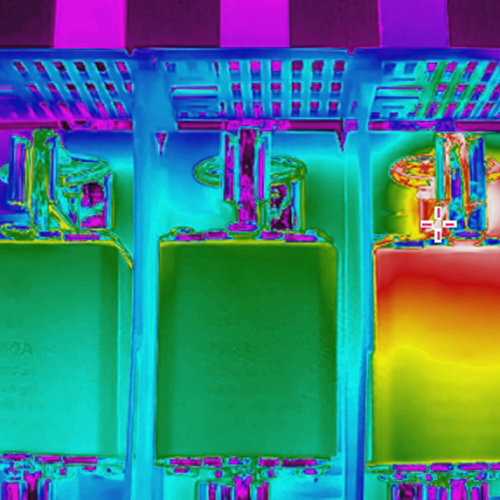 Electrical installations are constantly subjected to thermal stress. Over time, excessive heat can contribute to:
- Insulation breakdown
- Degraded cable performance
- Loose or deteriorating terminations
- Overheating overcurrent devices
- Premature equipment wear
Many of these issues are not visible during a standard visual inspection.
Traditional electrical testing tools such as clamp meters and multimeters remain essential for verification and diagnosis, however they only provide numerical readings at a specific point in time and do not show how heat is distributed throughout a system.
This creates challenges when assessing:
- Switchboards operating under constant load
- Transformers and overcurrent devices
- Industrial distribution systems
- Cable runs carrying sustained current
In many situations, excessive heat may indicate a potential future breakdown rather than an active electrical fault.
The Solution
Thermal Imaging for Electrical Health Checks & Preventative Maintenance
Thermal imaging cameras detect infrared radiation emitted from surfaces and display temperature differences visually.
This allows electricians to perform infrared camera electrical inspection procedures safely while equipment remains energised and operating under load.
Rather than fault finding, the primary purpose of thermal imaging in electrical applications is to assess the thermal condition and operating health of equipment.
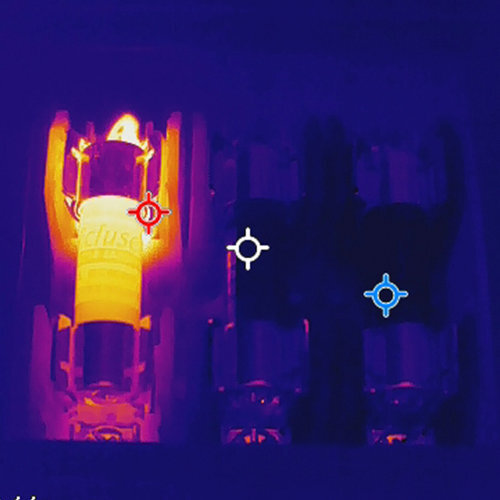 Thermal imaging can help electricians identify:
- Abnormally heated components
- Uneven load distribution
- Excessive operating temperatures
- Thermal stress in cables and devices
- Potential future insulation breakdown
This makes thermal imaging particularly valuable for:
- Switchboard thermography
- Preventative maintenance electrical inspections
- Load monitoring
- Asset condition monitoring
- Insurance and maintenance reporting
Understanding Thermal Imaging in Electrical Applications
It is important to distinguish thermal imaging from electrical testing or fault diagnosis.
Under Section 8 of AS/NZS 3000, live testing refers to the process of verification testing using the prescribed seven-step verification method.
A thermal camera does not perform electrical testing and should not be described as a live testing device.
Similarly, thermal imaging does not directly identify electrical faults. In many electrical fault conditions, current may no longer flow, meaning little or no heat will be present.
Instead, thermal cameras are best used to assess the operating condition of electrical systems under load and identify components that may be operating outside normal thermal conditions.
How Thermal Cameras Work
Thermal cameras operate by detecting infrared radiation naturally emitted from objects. Every surface with a temperature above absolute zero emits infrared energy, which the camera converts into a visible thermal image.
Warmer areas appear as hotspots, allowing electricians to quickly identify abnormal temperature variations across electrical equipment.
One of the key specifications in a thermal camera is NETD (Noise Equivalent Temperature Difference). NETD refers to the camera's sensitivity to small temperature differences.
A lower NETD value allows the camera to display finer thermal detail, which is particularly important during switchboard thermography and inspections of heavily loaded electrical equipment.
This can assist electricians in observing:
- Temperature variation between phases
- Uneven breaker loading
- Heat build-up at terminations
- Thermal patterns across cable runs
Higher thermal sensitivity improves the ability to identify subtle temperature changes before they become significant issues.
Key Applications for Electricians
Switchboard Thermography
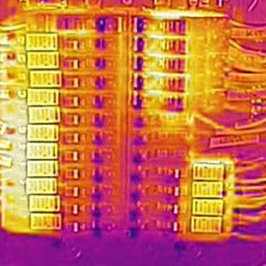 One of the most common uses of thermal imaging is thermal imaging camera switchboard inspections.
Commercial and industrial switchboards contain multiple overcurrent devices and electrical connections operating continuously under load. Over time, some components may begin operating at elevated temperatures.
Thermal imaging assists electricians in monitoring:
- Circuit breakers
- Fuse connections
- Transformers
- Cable terminations
- Load distribution across phases
This allows for faster assessment of switchboard condition without unnecessary dismantling of equipment.
Monitoring High Electrical Loads
Electrical systems are often modified over time, with additional loads introduced after the original installation.
Thermal imaging can assist electricians in identifying:
- Circuits carrying sustained high loads
- Elevated cable temperatures
- Uneven phase loading
- Areas experiencing thermal stress
This is particularly valuable in industrial environments where electrical systems operate continuously.
Preventative Maintenance Electrical Programs
Thermal imaging has become an important component of preventative maintenance electrical programs across commercial and industrial facilities.
Routine inspections allow maintenance teams to monitor the thermal condition of electrical assets over time and identify changes in operating temperature before breakdown occurs.
Benefits include:
- Reduced unplanned downtime
- Earlier identification of overheating components
- Improved asset management
- Better maintenance scheduling
- Reduced risk of equipment failure
Thermal imaging is widely used in facilities where electrical reliability is critical.
Not sure which thermal camera suits your work?
Restore Solutions stocks a full range of HIKMICRO thermal imaging cameras for Australian electricians. Browse the range or get a personalised recommendation from our team.
High-Risk Industrial Environments
Thermal imaging is particularly valuable in industrial environments where electrical reliability and fire prevention are critical.
Industries commonly using switchboard thermography include:
- Sawmills
- Manufacturing facilities
- Processing plants
- Mining operations
- Warehousing and logistics
In these environments, identifying excessive heat early can help reduce the risk of equipment damage or thermal-related incidents.
Reporting & Documentation
Modern thermal cameras also improve reporting and maintenance documentation.
Professional units can capture:
- Thermal images
- Spot temperature readings
- Min / max / average temperatures
- Video recordings
- Time and date-stamped inspection data
This allows electricians to create clear visual reports supporting maintenance recommendations and ongoing asset monitoring.
Thermal reporting is commonly used for:
- Preventative maintenance records
- Insurance documentation
- Asset management reporting
- Maintenance scheduling
Australian Standards & Compliance
Thermal imaging supports broader electrical safety and maintenance obligations across Australia.
While thermal imaging is not specifically mandated under AS/NZS 3000 (Wiring Rules), it is commonly incorporated into preventative maintenance electrical programs and asset condition monitoring procedures.
Thermal inspections may assist businesses in supporting obligations relating to:
- WHS compliance
- Electrical safety management
- Risk reduction strategies
- Maintenance documentation
- Insurance requirements
Many commercial and industrial facilities now include routine switchboard thermography inspections as part of scheduled maintenance programs.
Choosing the Right Thermal Camera
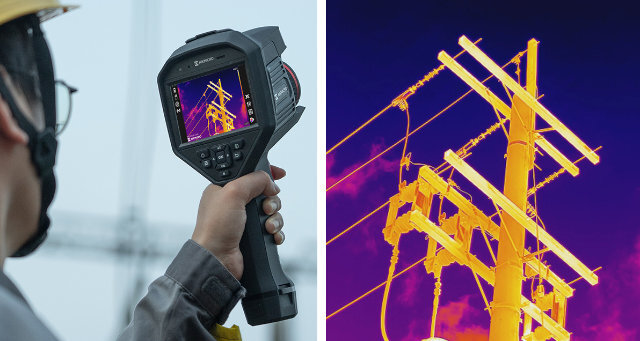 Thermal cameras are available across a wide range of specifications and price points.
Entry-level models suitable for electricians typically include:
- Quality thermal imaging
- Basic hotspot detection
- Temperature measurement functions
- Image and video capture
- Mobile connectivity
Higher-spec units may provide:
- Higher thermal resolution
- Improved NETD sensitivity
- Larger displays
- Wider temperature ranges
- Advanced reporting software
The right choice depends on the application, inspection distance, and reporting requirements.
Thermal Camera Comparison
| Series | Resolution | NETD Sensitivity | Temperature Range | Key Features | Best For |
|---|---|---|---|---|---|
| Pocket Series | 256 × 192 (49,152 pixels) | < 40 mK | −20°C to 400°C | Compact pocket-sized design; focus-free lens; 3.5" touch screen; IP54; ~4 hr battery | Entry-level electrical inspections; quick switchboard spot checks; budget-conscious electricians needing a portable, everyday tool |
| B Series | 256 × 192 (49,152 pixels) | < 40 mK | −20°C to 550°C | Pistol-grip form factor; focus-free lens; 3.2" LCD; IP54; 6 hr battery | Light commercial switchboard inspections; building electrical assessments; HVAC and building services maintenance |
| M Series | 192 × 144 up to 640 × 480 | < 40 mK | −20°C to 550/650°C | Manual focus with laser pointer; multiple measurement tools; voice & text annotations; interchangeable batteries; IP54 | Commercial and industrial switchboard thermography; load monitoring; preventative maintenance programs across a range of budgets |
| G Series | 480 × 360 up to 640 × 480 | < 35 mK | −20°C to 650°C | Autofocus; 4.3" touch screen; GPS & compass annotations; laser pointer; 1× to 8× zoom | High-performance industrial inspections; precision predictive maintenance; detailed asset condition monitoring and professional reporting |
| SP Series | 640 × 480 (307,200 pixels) | < 30 mK | −20°C to 650°C | 180° rotating lens & 90° rotating screen; interchangeable lenses; electronic viewfinder; GPS & compass; 5" LCD; HDMI output; IP54 | Premium industrial and utility inspections; substations and high-voltage equipment; long-range switchboard thermography; specialist reporting requirements |
Frequently Asked Questions
Do I need a thermal camera for electrical inspections?
Thermal cameras are not mandatory for general electrical work, however they are widely used for preventative maintenance electrical inspections and switchboard thermography in commercial and industrial environments.
They provide a fast way to assess the thermal condition of equipment operating under load.
What resolution thermal camera do I need for electrical work?
For general switchboard inspections and preventative maintenance, entry-level thermal cameras are often suitable.
Higher resolution and lower NETD sensitivity become more important when inspecting:
- Larger switchboards
- Distant equipment
- Industrial systems
- Components with subtle temperature variation
Can thermal cameras replace a multimeter?
No. Thermal cameras are not a replacement for electrical testing equipment.
Thermal imaging is used to observe temperature patterns and equipment condition, while multimeters and other testing instruments are used to verify electrical measurements and diagnose faults.
How much does a thermal camera for electricians cost?
Entry-level thermal cameras suitable for electrical inspections are available from under $1,000 AUD.
Higher-end units with improved thermal sensitivity, resolution, and reporting functionality can vary significantly depending on the intended application.
Is thermal imaging required for electrical compliance in Australia?
Thermal imaging is not specifically required under AS/NZS 3000, however many businesses include thermal inspections as part of their preventative maintenance and WHS compliance procedures.
Routine switchboard thermography is commonly used in commercial and industrial environments to support ongoing electrical asset monitoring.
Why Thermal Imaging Is Valuable for Electricians
Thermal imaging provides electricians with a safer and more efficient way to assess the operating condition of electrical equipment.
By making temperature variation visible, thermal cameras support:
- Earlier identification of overheating components
- Improved preventative maintenance
- Better asset monitoring
- Reduced unplanned downtime
- Improved reporting and documentation
Whether performing switchboard thermography or monitoring heavily loaded electrical systems, thermal imaging has become an increasingly important tool for electrical maintenance and asset management.
Talk to the Team
Not sure which thermal camera suits your work? Whether you need an entry-level unit for routine electrical inspection work or a higher-performance camera for industrial switchboard thermography, our team can help you select the right solution for your application.
Recent Posts
-

Choosing Mould Removal Products: The Two S's of Speed and Safety in Remediation
When it comes to commercial mould remediation, cost is one of the biggest considerations for restora …16th Sep 2026 -

Thermal Camera for Electricians: How to Find Faults Faster and Safer
Electrical systems rarely deteriorate without warning. In many cases, components begin generating ex …26th Jun 2026 -

Choosing a Dehumidifier for Water Damage Restoration
Understanding Psychrometry, Equipment Selection, and Verifiable Outcomes In Australian water damage …31st May 2026